“Creating Landscapes That Welcome Pollinators”
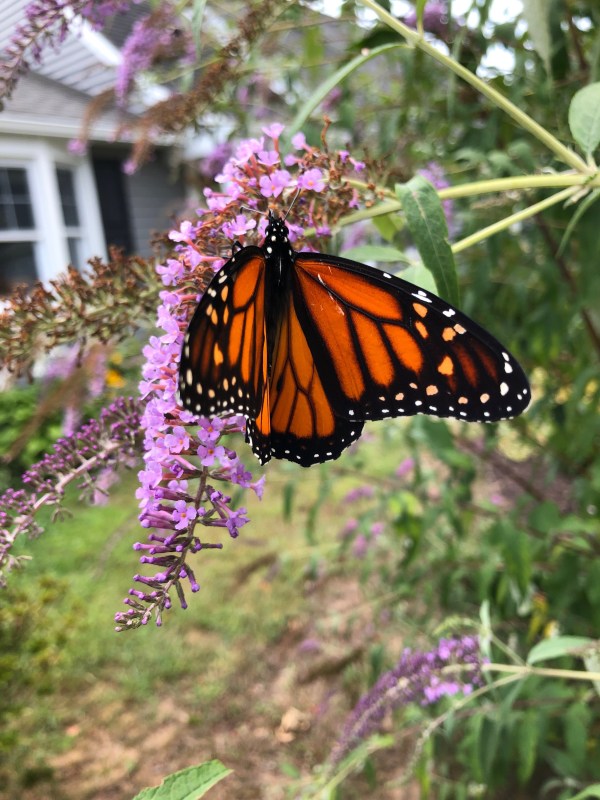
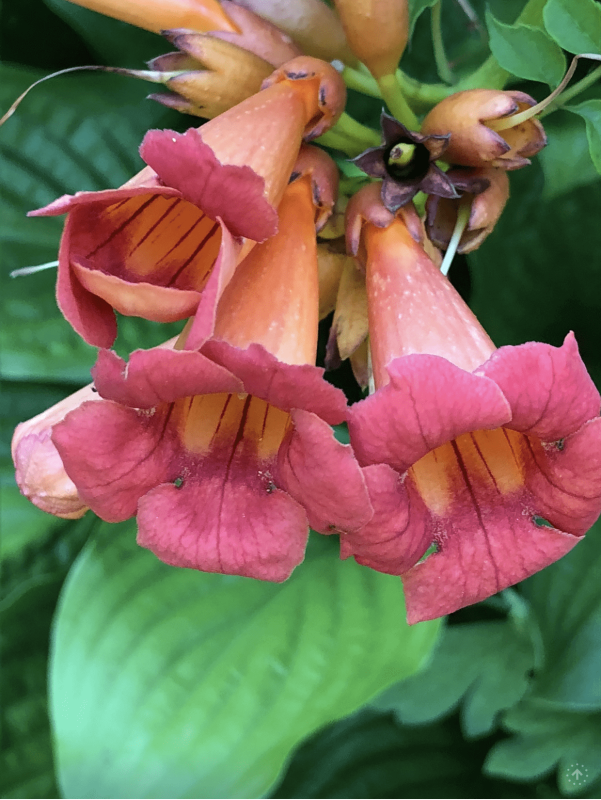
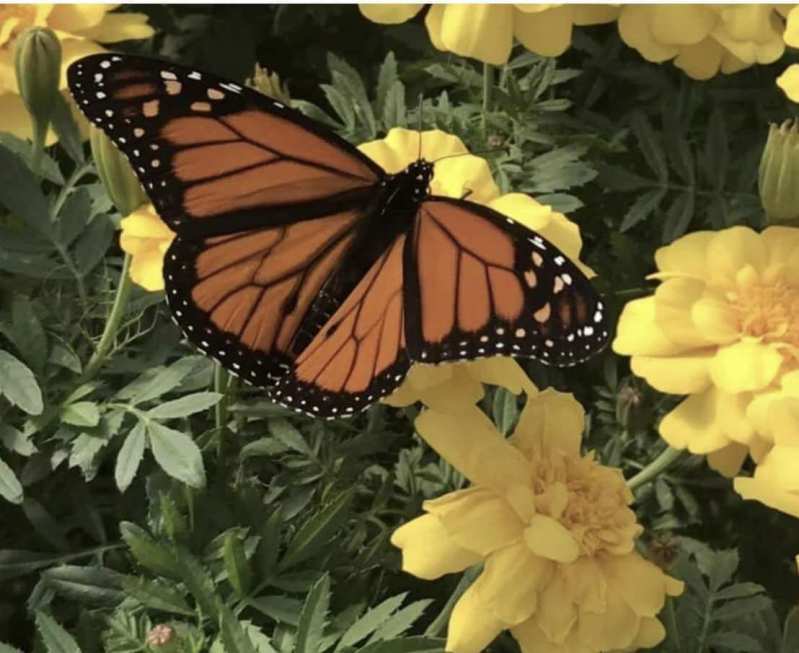
Monarch butterflies, native bees, hummingbirds, and other beneficial wildlife thrive in thoughtfully designed gardens filled with nectar-rich plants and season-long blooms.
🦋 Black Swallowtail (adult and caterpillar)
🦋 American Lady
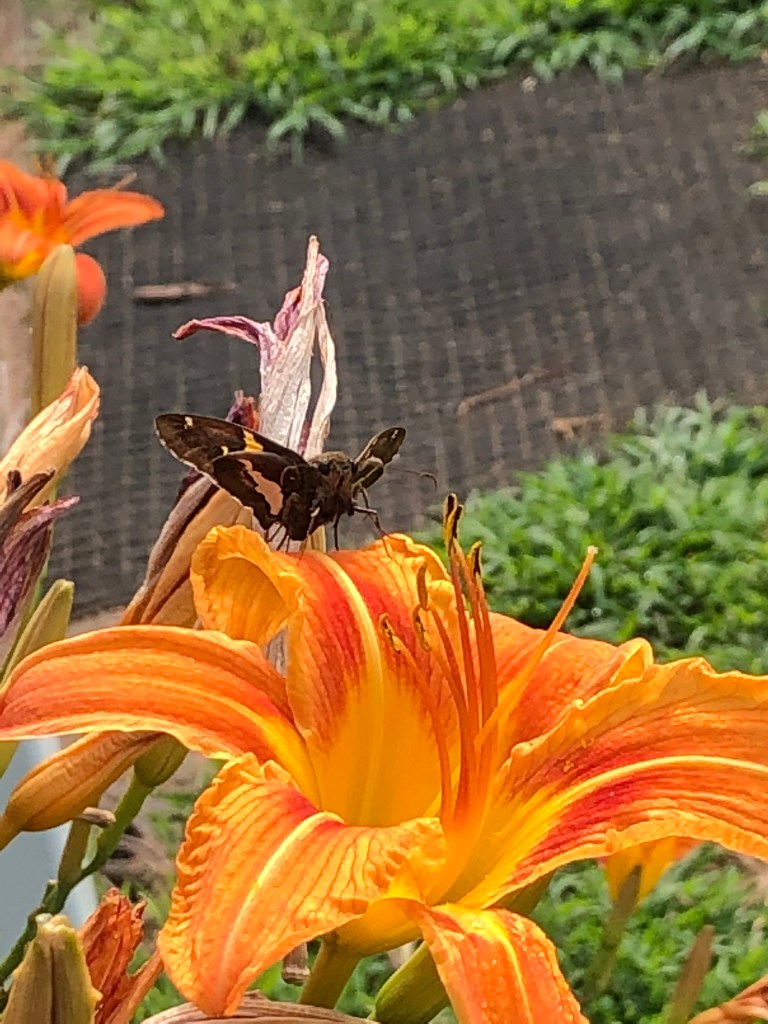
🦋 Silver-spotted Skipper
🐝 Bumble Bee
🪰 Lacewing
🕷️ Orb-weaver Spider
🙏 Praying Mantis
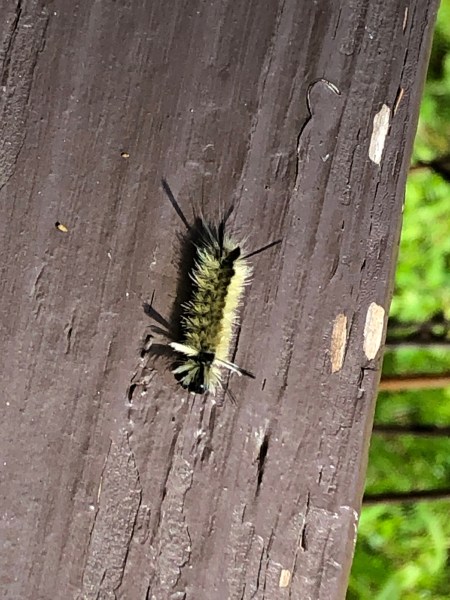
🐛 Tussock Moth Caterpillar
🐉 Meadowhawk Dragonfly
🐉 Widow Skimmer Dragonfly
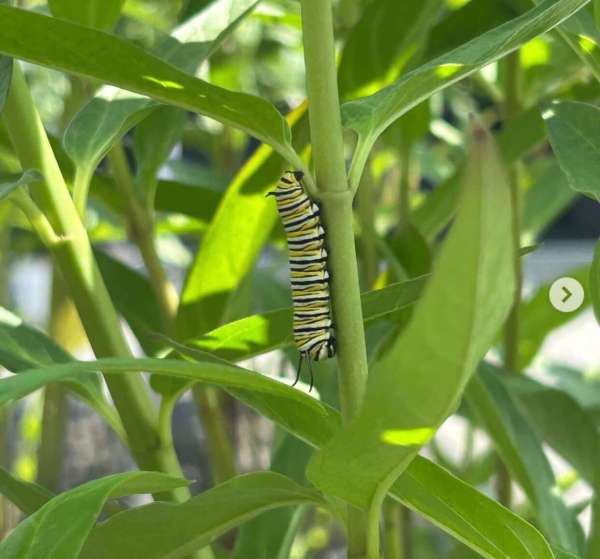
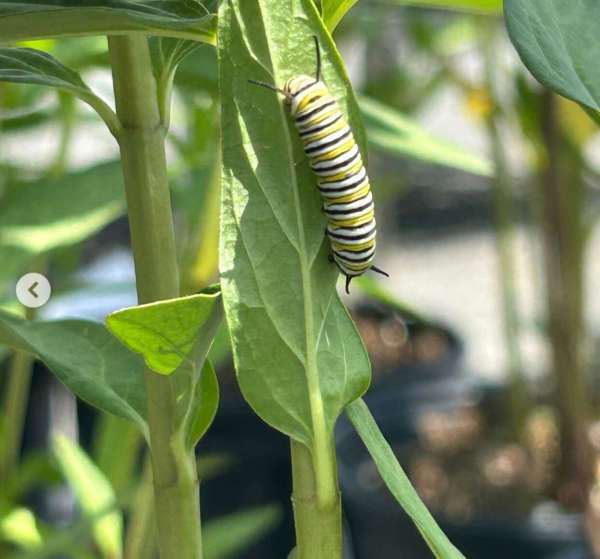
🦋 The “All-Stars” (High Impact, Low Effort)
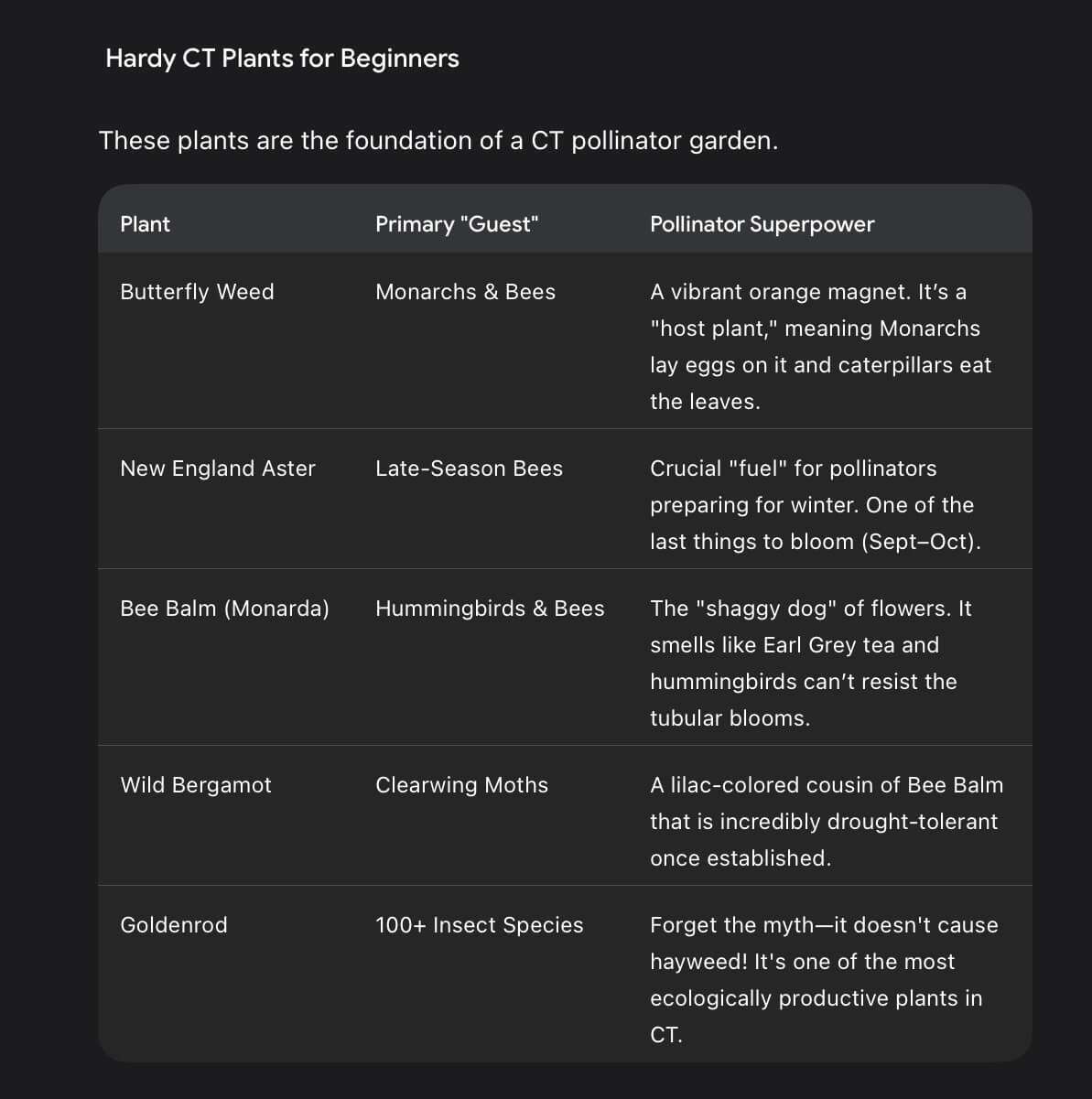
These plants are the foundation of a CT pollinator garden
Wildlife of our Landscapes
Click on each image to see it fully without description
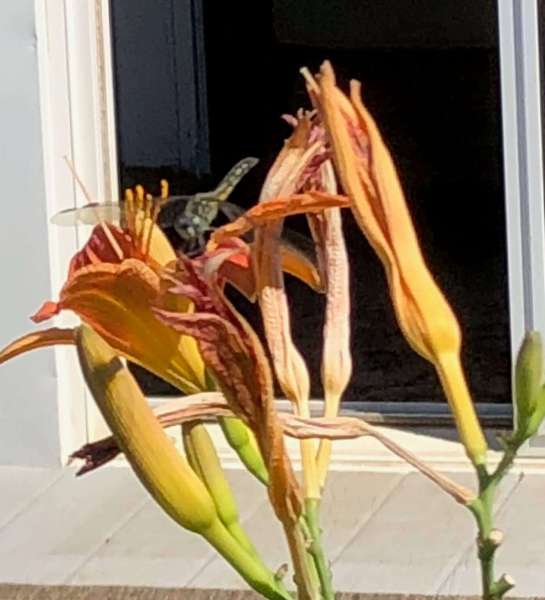

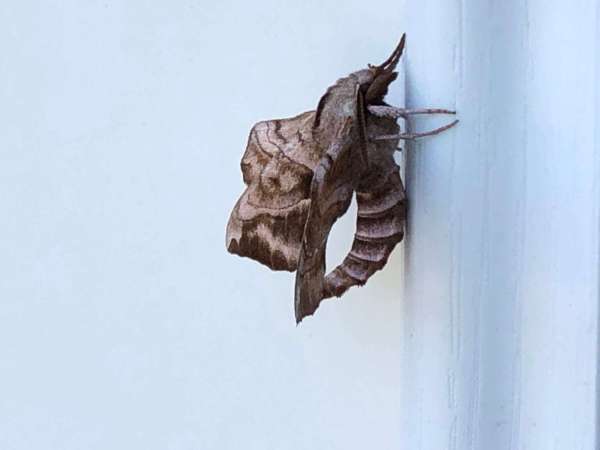

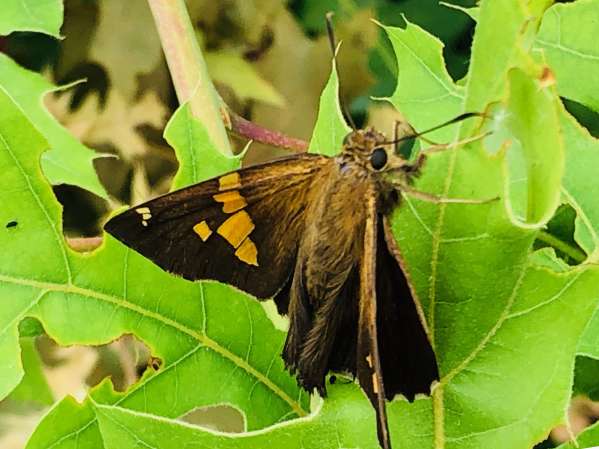
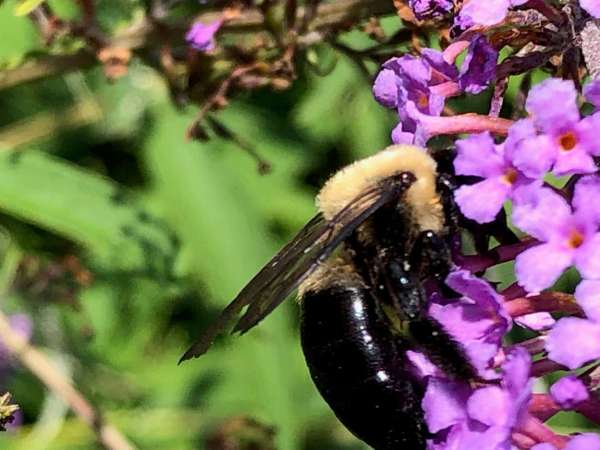


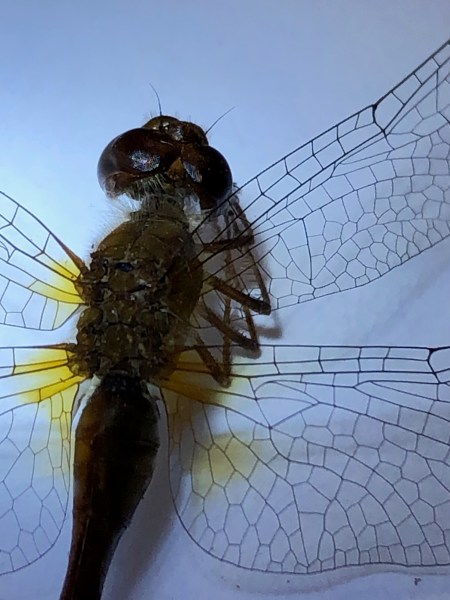
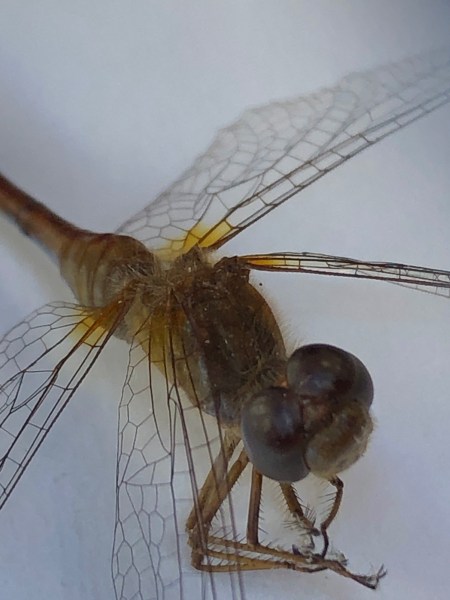
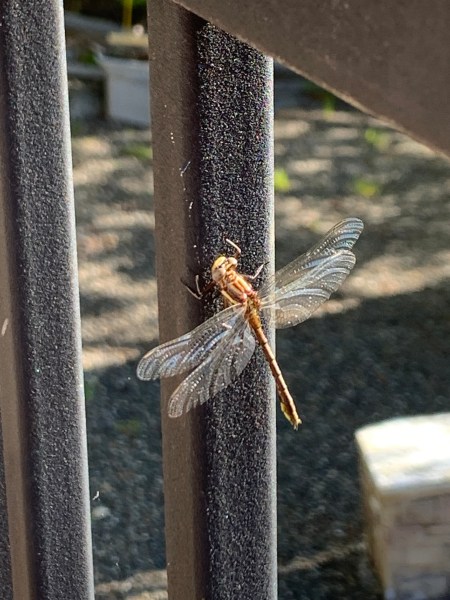
Dragonflies are important predators that help keep mosquito and flying insect populations in check throughout the landscape
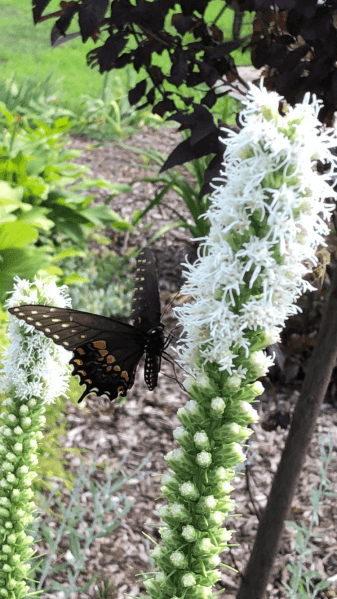
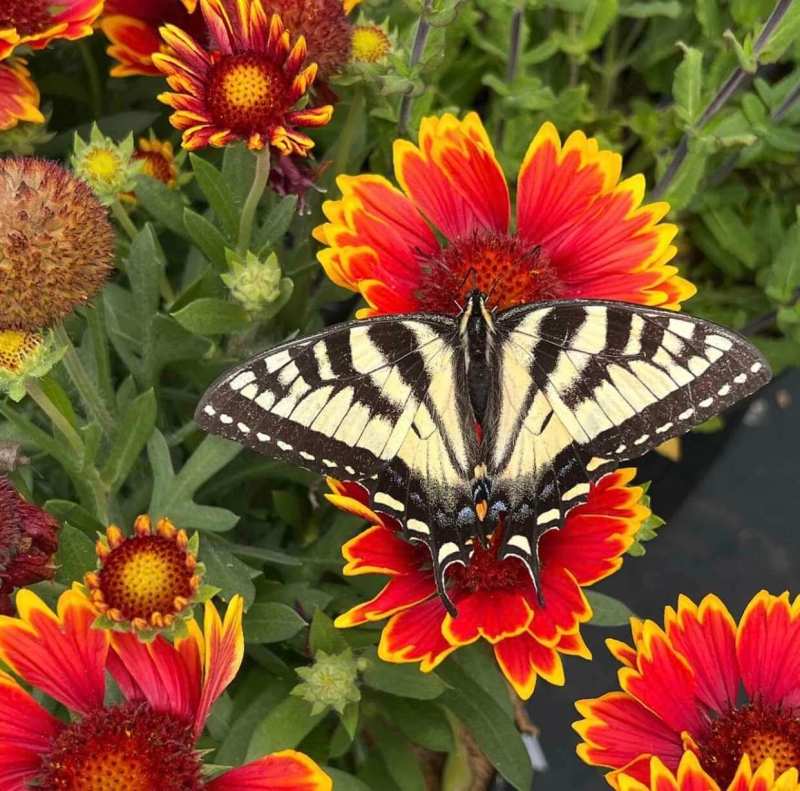
Our landscapes dont just look beautifulthey provide habitat and food sources for pollinators and beneficial wildlife


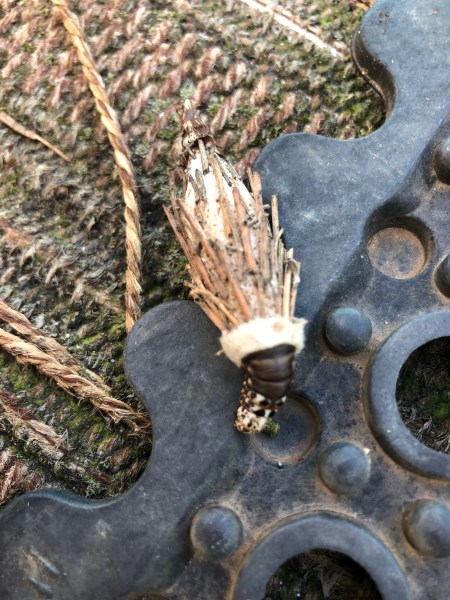
Only the head and a few front legs stick out while it crawls
The pinecone or bundle of sticks appearance is classic bagworm camouflage

Monarch butterflies native bees hummingbirds and other beneficial wildlife thrive in thoughtfully designed gardens filled with nectar rich plants and season long blooms
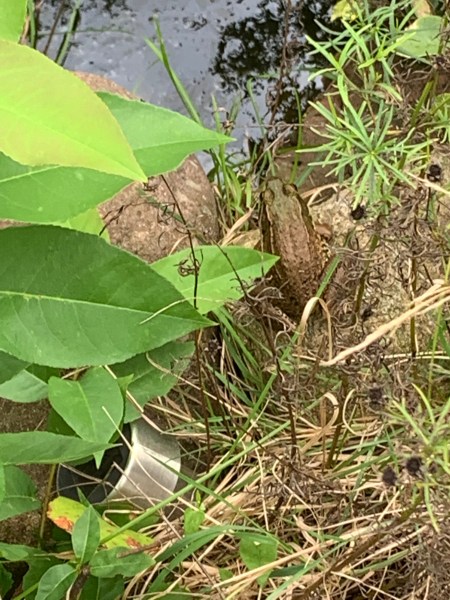
Dorsolateral Ridges If you look closely at its back you can see two distinct ridges folds of skin running down the sides of its upper body On a Green Frog these ridges go all the way down the back which helps distinguish them from American Bullfrogs whose ridges wrap tightly around the ear drum instead
They absolutely love hanging out near the edges of ponds water features or damp shaded garden beds
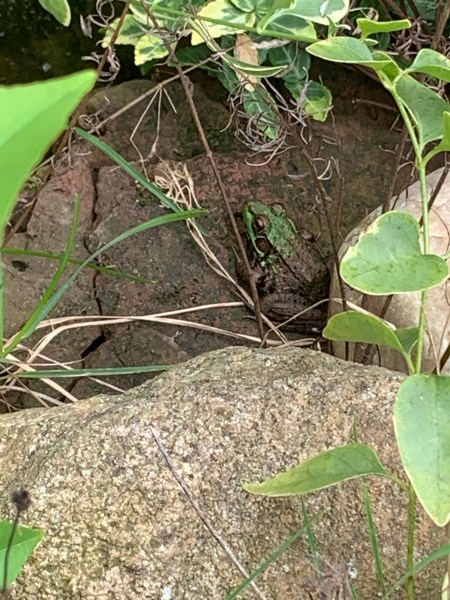
Dorsolateral Ridges If you look closely at its back you can see two distinct ridges folds of skin running down the sides of its upper body On a Green Frog these ridges go all the way down the back which helps distinguish them from American Bullfrogs whose ridges wrap tightly around the ear drum instead
They absolutely love hanging out near the edges of ponds water features or damp shaded garden beds
🍃 Host Plants: The “Caterpillar Cafeteria”
If you want butterflies, you have to feed their “babies.”
• Milkweed (Common or Swamp): The only food source for Monarch caterpillars. Swamp Milkweed is great if you have a damp spot in your yard.
• Golden Alexanders: A beautiful spring bloomer that serves as a host for Black Swallowtail butterflies.
• Highbush Blueberry: A double-win. It provides early spring nectar for bees, hosts several butterfly species, and gives you (and the birds) berries in July.
🛠️ The 3-Step Success Guide for CT
1. The “Bloom Relay”
Pollinators need food all season. Aim for at least one plant in each “heat”:
• Spring: Wild Geranium or Pussy Willow (essential for early-emerging bees).
• Summer: Coneflowers, Milkweed, and Joe Pye Weed.
• Fall: Asters and Goldenrod.
2. “Pardon the Mess” (Nesting)
Many of CT’s 300+ native bee species nest in the ground or in hollow stems.
• Leave the leaves: Wait until spring temperatures are consistently above 50°F before doing your garden cleanup. This protects hibernating “good bugs.”
• Stem-heading: When you trim your plants in spring, leave 8–12 inches of the old hollow stalks standing; solitary bees will use them as “apartments” for their larvae.
- Skip the Chemicals
Pollinators are insects! Even “organic” pesticides can be lethal to bees and butterflies. If you plant a diverse mix, “predatory insects” (like ladybugs) will eventually move in to handle the pests for you.